BALTIC-AMERICAN
DIALOGUE
PROGRAM
WHY PARTICIPATE?
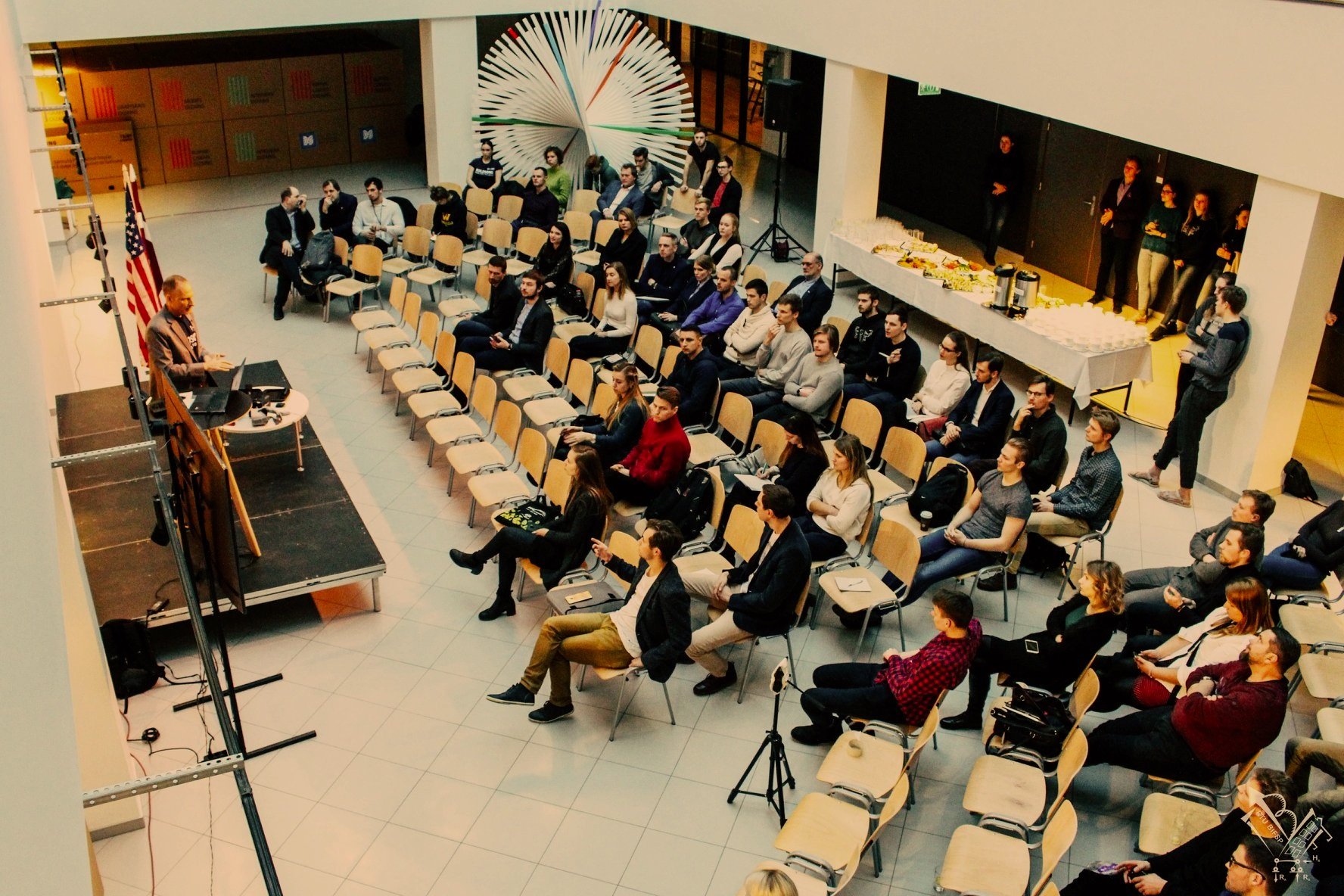
The Baltic-American Dialogue program fosters the exchange of ideas between the Baltic States and the U.S. and stimulates international collaboration. This initiative is designed to empower Baltic organizations by enabling them to host knowledgeable American speakers who can bring fresh perspectives, innovative solutions, and practical insights on a range of critical issues.
Public organizations and NGOs in Estonia, Latvia, and Lithuania are invited to apply for funds to host speakers from the U.S. to travel to the Baltics and share their knowledge and experiences.
BAFF provides successful applicant organizations with financial support to sponsor American speaker(-s) on topics of mutual importance and interest.
Benefits of participating in the Baltic-American Dialogue Program:
Access to Expert Knowledge: Engage with American professionals and experts who can share best practices, specialized knowledge, and success stories, tailored to your organization’s area of focus.
Strengthen International Ties: Build sustainable relationships with U.S. thought leaders and organizations, enhancing the visibility and credibility of your projects on an international stage.
Customized Learning Opportunities: Create events and sessions that directly address the unique needs and interests of your community, allowing for a focused exchange that maximizes impact.
Financial Support for Hosting: BAFF funding covers critical expenses such as airfare, lodging, meals, and local transportation, reducing financial barriers and making it easier to connect with top-tier speakers.


FUNDING
Since the opportunity to travel to the Baltics and meet with counterparts in Estonia, Latvia, and Lithuania represents a substantial benefit for potential U.S. speakers, funding does not cover speakers’ fees or honoraria. Rather, funds are intended to cover expenses such as airfare, local transportation, and accommodations and meals. Eligible expenses include:
International airfare
Local transportation
Accommodations
Meals
Other event expenses such as IT support, or translation services
Funding does not cover speakers’ fees or honoraria.
IMPORTANT INFORMATION
-
The program welcomes applications from NGOs and public organizations with project ideas that align with the program's mission. Successful applicants are encouraged to design impactful projects that address pressing issues and actively contribute to dialogue between the Baltic States and the U.S.
NGOs, Educational institutions such as universities, government entities, nongovernmental organizations such as Chambers of Commerce, social service organizations, and trade and business groups are eligible to apply for funding. Speakers should be chosen independently according to the needs of the sponsoring group.
Since visibly strengthening U.S.-Baltic ties is a core value for the Baltic-American Freedom Foundation, the strongest proposals will provide opportunities for learning and exchange of ideas between U.S. speakers and members of Baltic sponsoring institutions. In addition, proposals that promote cross-Baltic collaboration between similar groups or institutions will be given special consideration.
-
Applications will be accepted for funding of up to $10,000 USD. Funds will be disbursed as required based on the schedule provided in the application but no more than 60 days prior to the event.
Eligible expenses include:
• International airfare
• Local transportation
• Accommodations
• Meals
• Other event expenses such as IT support, or translation servicesNB! Funding does not cover speakers’ fees or honoraria.
-
Proposals will be evaluated by BAFF staff. Funding is intended to elevate the professional development opportunities available to host organizations. It is not intended to offset regular budgeted training costs. Special consideration will be given to proposals designed to provide opportunities for bilateral learning and exchange of ideas between American speakers and members of Baltic sponsoring institutions.
• Rationale for training and description of specific training objectives
• How training will be incorporated in practice, including assessment metrics
• Benefit to be gained by both parties (i.e., the sponsoring organization and the speaker)
• Speaker’s CV or resume
• Date or time period of the event.
• Well-researched budget, in USD, for the funds requested
• Marketing or social media plan
• Host institution support
• Size of the audience, further opportunities for collaboration, etc.
Through this program, BAFF hopes to contribute to lasting partnerships and the ongoing growth and development of the Baltic States NGO sector initiatives.
-
Finalists will be invited to present their proposals in person. Presentations should address:
• Rationale for the topic to be addressed
• Benefit to be gained by both parties (i.e., the sponsoring organization and the speaker)
• Speaker’s CV or resume
• Date or time period of the event.
• Well-researched budget, in USD, for the funds requested
• Adequate public relations including public relations related to BAFF, which may include advance publicity, sale or distribution of tickets, and arrangement for press coverage
• Support the applying or inviting institution will provide
• How the outcome of the event will be measured—assessment metrics for assessing impact of training
DATES & DEADLINES
Application Deadline
February 15
Decision Notification*
March 31
Implementation Period
June - December
Application Deadline
October 15
Decision Notification*
November 30
Implementation Period
January - August
*Shortlisted applicants will be invited for an interview before the decision notification date.
APPLY
Thank you for your organization’s interest in applying to the BAFF Baltic-American Dialogue Program. You must complete the application in its entirety and submit all required documents by the published deadline. Please review the application checklist below.
EMAIL YOUR APPLICATION DOCUMENTS TO BAFFINFO@CIEE.ORG
THE FOLLOWING CHECKLIST WILL HELP YOU GATHER DOCUMENTS NEEDED TO COMPLETE YOUR APPLICATION:
1. Application: Download the application here, complete it, and save it (PDF required).
2. Event Proposal: (PDF required)
In a separate document, describe, in free format, the rationale for both the topic and the speaker. Include the speaker’s CV or resume. Provide a brief explanation of the benefit to be gained by both your organization and the speaker. If this is a proposal submitted by multiple organizations working together, describe the benefits you expect to gain from your collaboration. Include a description of any associated events, such as faculty symposia or student seminars. If admission will be charged, indicate who will be responsible for selling and distributing tickets. Provide a media and publicity plan for the event describing the media opportunities for your organization, your guest speaker, and for the sponsors, e.g., interviews and event coverage. Finally, describe the criteria you will use to evaluate the outcome of the event.
3. Documentation of Official Legal Status or Organizational Registration (can be in local language).
Funded Projects
fall 2025
Name of the project: Building Bridges: Enhancing Scientific Excellence and Collaboration between RTU and GeoTech
Location: Latvia
Implementing organization: Riga Technical University
Invited Speaker: Prof. Edward J. Coyle (Georgia Institute of Technology), Prof. Shane Snyder (Georgia Institute of Technology)
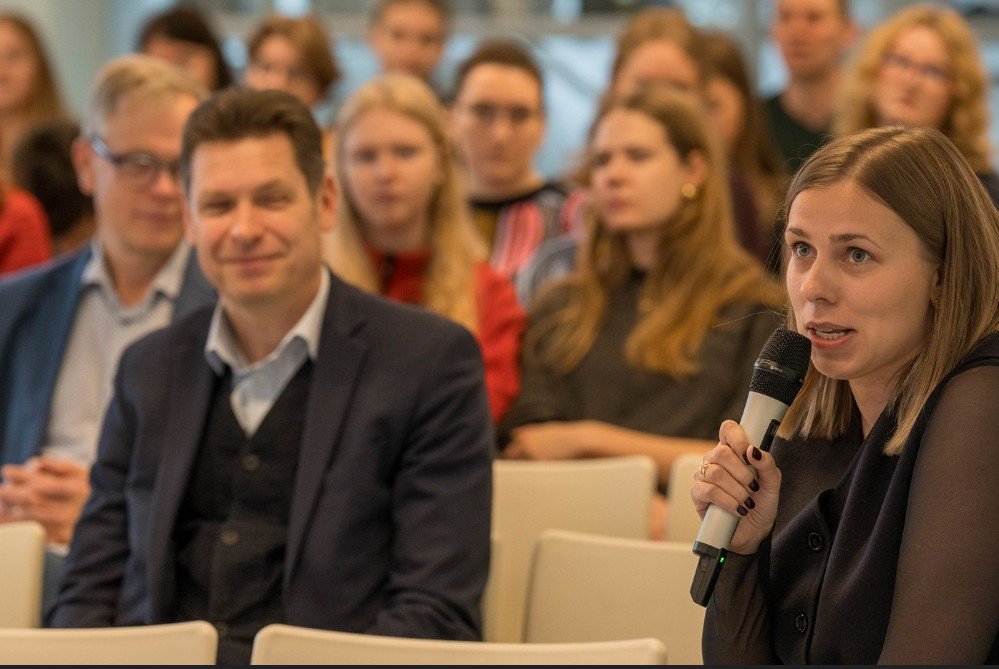
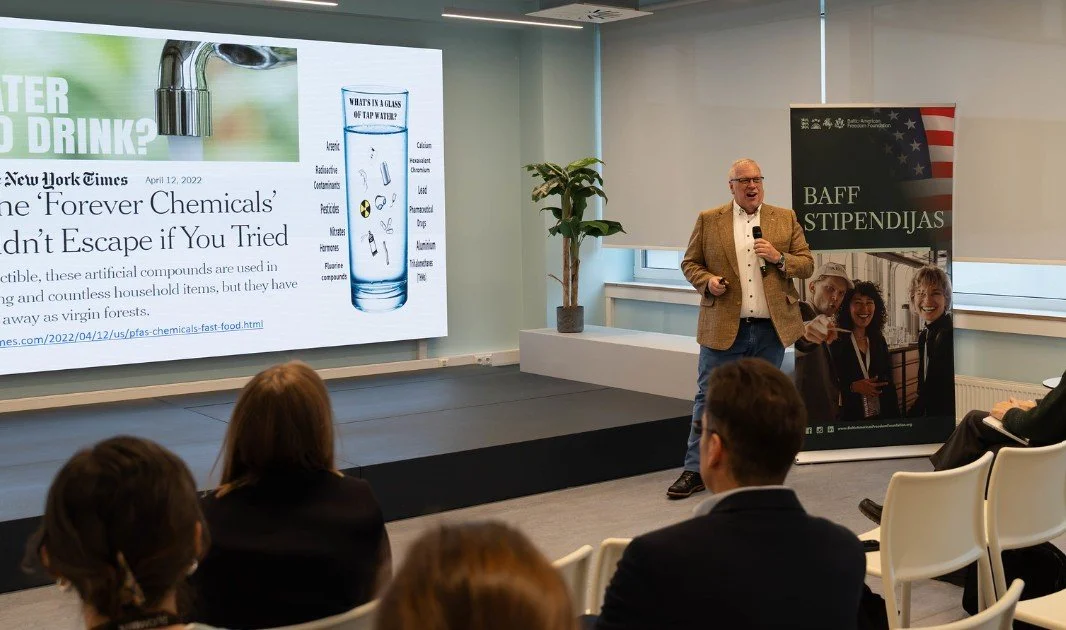
The visit of U.S. guest lecturers Prof. Edward J. Coyle and Prof. Shane Snyder provided a platform for high-level dialogue, capacity building, and collaboration among RTU faculty, researchers, students, and international partners. Through seminars, workshops, meetings, and public lectures, the project advanced institutional learning and laid the groundwork for future joint research initiatives.
Prof. Snyder delivered a lecture for RTU students on next-generation tools for evaluating drinking water safety. Students gained exposure to cutting-edge methodologies and actively engaged in discussions on real-world applications. The seminar “Bioenergy Technologies and Biotechnologies” attracted researchers, industry representatives, and students from multiple European countries. Presentations by both U.S. professors highlighted innovative approaches in biotechnology, sensor systems, and water safety, contributing to broader regional knowledge exchange. An open workshop on preparing scientific publications enhanced participants’ skills in academic writing and publishing. The session motivated RTU researchers and students to increase their engagement in international scientific journals and peer-review activities.
The project significantly strengthened institutional ties between RTU and U.S. academic partners, expanded RTU’s capacity in innovation-based education and water-related research, and contributed to the professional development of students and academic staff.


Name of the project: 10th European History of Magic Conference 2025
Location: Latvia
Implementing organization: NGO Sapnu Sparni
Invited Speaker: Michael Douglas Caveney and Gabe Fajuri
Supported by the BAFF Baltic-American Dialogue Program, this project brought leading U.S. experts Gabe Fajuri and Mike Caveney to Riga for a multi-day conference exploring the history of illusionism. The program opened with a welcome reception at the MYSTERO Theater and Museum, where participants were surprised by a live video greeting from David Copperfield, who offered a behind-the-scenes look at his Las Vegas museum. Over the following days, lectures at the University of Latvia Library and the historic Splendid Palace cinema highlighted modern collecting trends, the legacy of the Danish illusionist Dante in Hollywood, and rare archival materials from the 17th–19th centuries. The conference also included a screening of an original Houdini film and a lively charity auction led by Mr. Fajuri, raising €1,660 for the Riga Children’s Hospital. With over 1,000 attendees across public and professional events, the conference was praised as one of the best-organized gatherings of its kind and laid the groundwork for future U.S.-Baltic cooperation in preserving and promoting the cultural heritage of magic and illusion.
Name of the project: YMH documentary EDU-TOUR
Location: Latvia
Implementing organization: NGO Avantis
Invited Speakers: Johnny Ramos, Jesse Perez Antigua
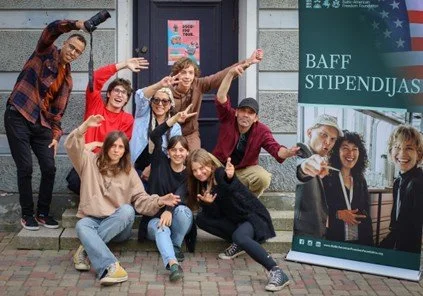
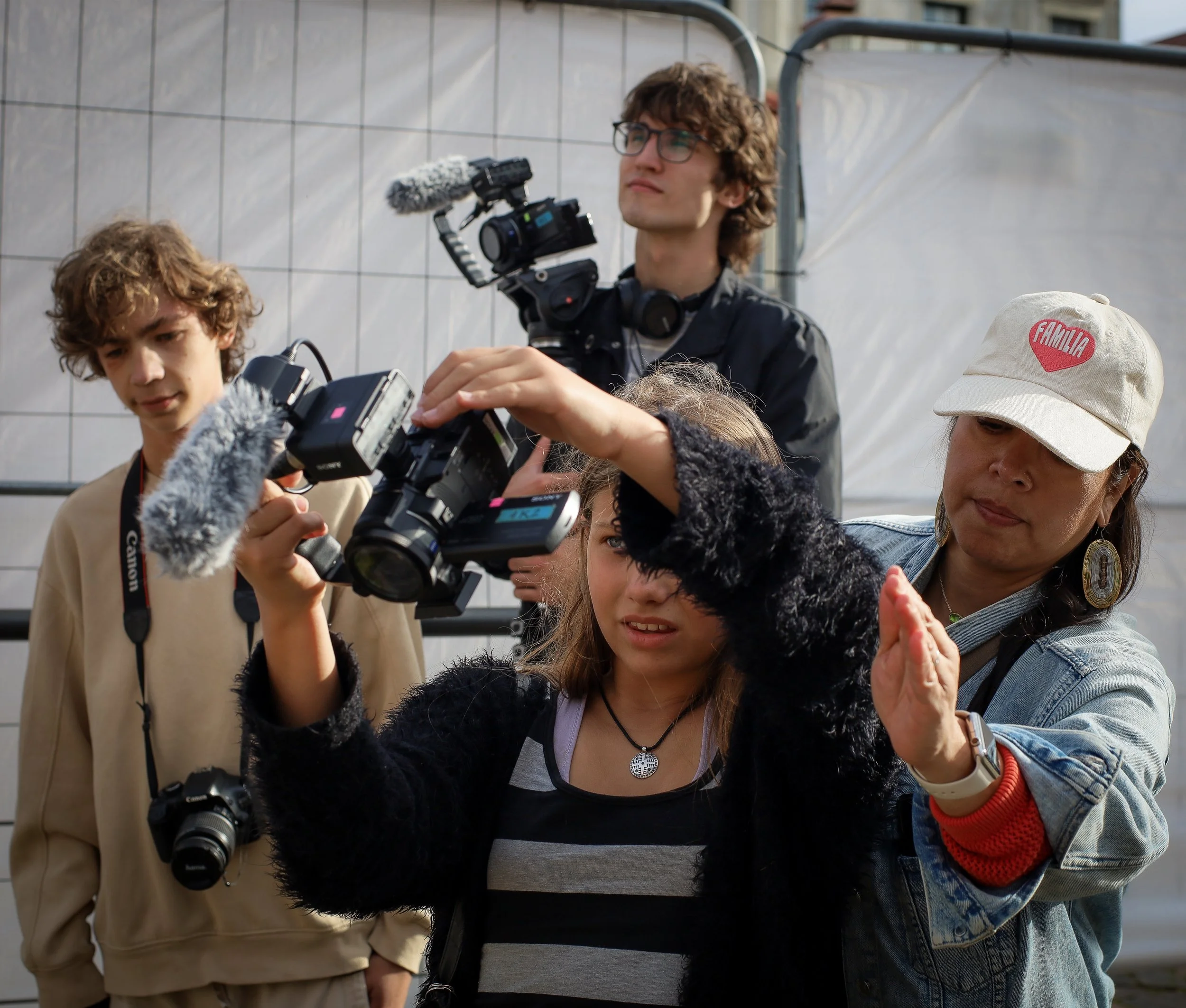
The Docu Edu Tour 2025, organized by Avantis, provided youth in Latvia with free training in documentary filmmaking, led by experts from New York Media center DCTV - Johnny Ramos and Jesse Perez AntiguA. The tour took place from August 25 to September 7, 2025, visiting Rīga, Cēsis, Jūrmala, and Liepāja. It aimed to build media literacy, creative skills, and storytelling abilities among participants aged 14 to 25, regardless of prior experience.
In addition to the youth filmmaking workshops, instructors Johnny Ramos and Jesse Perez Antigua participated in the major "Baltic Sea Docs" forum. There, they shared their experiences in engaging young people in filmmaking with industry professionals and attended key industry events.
The project also featured expert visits to the Latvian Academy of Culture, screenings of American youth films across the country, and sharing vision and experience in the National Media. In addition to benefiting young people, the initiative provided valuable opportunities for youth workers, media teachers, and other professionals to gain new knowledge and skills, equipping them to better support and inspire the next generation. By fostering the ability to critically engage with and create digital content, the project aligns with Latvia's national priorities of promoting digital content creation and developing a high-quality, sustainable youth work system.

Name of the project: Strengthening Public Service Delivery Through Behavioral Science
Location: Estonia
Implementing organization: The Estonian Public Sector Innovation Team
Invited Speaker: Dr. Elizabeth Linos
The Estonian Public Sector Innovation Team hosted Dr. Elizabeth Linos from Harvard Kennedy School for an intensive knowledge-sharing visit to Tallinn. The program focused on strengthening Estonia’s evidence-based policymaking capacity and applying behavioral science in the public sector, and included a public lecture, a workshop, and several strategic and networking meetings. The workshop attracted more senior-level civil servants than expected, boosting its strategic impact, while also engaging many first-time participants. Linos’ messages also strongly resonated with academia and research institutions, who praised the systematic solutions she proposed and expressed interest in further collaboration. The visit reinforced cooperation between Estonian academia and the public sector, emphasizing how universities can provide timely, usable insights for government priorities. Civil servants gained practical tools for applying evidence-based policymaking in their daily work. At the international level, the visit enhanced Estonia’s visibility in digital innovation and governance. Dr. Linos, who already teaches Estonia’s model at Harvard Kennedy School, expressed her intent to propose Estonia as a formal Harvard case study. Strategic meetings with leaders in Estonia’s digital ecosystem deepened mutual understanding and opened possibilities for future partnerships, including with Harvard students and Estonia’s Digital Development Team. The program also broadened its reach by connecting with new audiences and facilitating trilateral knowledge exchange between Estonia, Finland, and Latvia, culminating in a follow-up session between Estonia and Latvia.

Name of the project: Baltic and American sacral music
Location: Lithuania
Implementing organization: Association Pro Musica ir draugai
Invited Speaker: Mr. Ira Spaulding
From August 29 to September 2, 2025, Vilnius hosted an intensive choral project led by U.S. expert Ira Spaulding, who worked with three university choirs, their choirmasters, and regional choir leaders—nearly 90 participants in total. Through a series of masterclasses, Spaulding prepared a 30-minute program of seven American Negro spirituals, which was performed alongside Baltic sacral music in a public concert at St. John’s Church on September 2, drawing an audience of around 230 people. Spaulding’s leadership not only deepened participants’ understanding of the cultural and spiritual roots of American and Lithuanian choral traditions but also fostered an exchange of repertoire that will enrich future concert tours. The project’s impact extended beyond music, offering performers and listeners alike a sense of solace, hope, and unity in the face of global challenges.

SPRING 2025

Name of the project: Magic Lantern show in Process Festival 2025
Location: Latvia
Implementing organization: Baltic Analog Lab
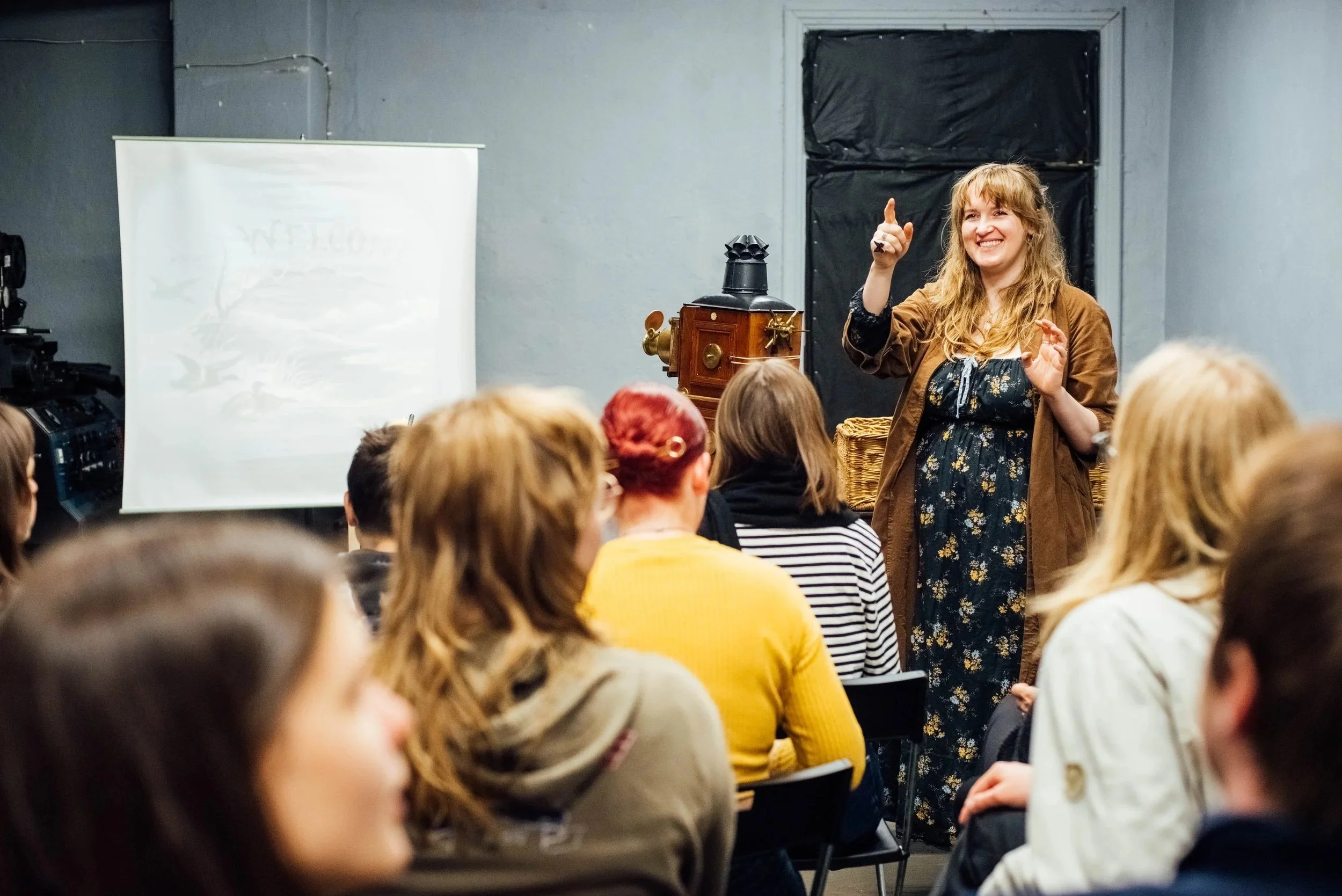
In May, 2025, Melissa Ferrari, experimental animator, nonfiction filmmaker, magic lanternist, and educator from the US was invited to Latvia and Lithuania to participate in Experimental film festival. Melissa Ferrari’s visit to the Baltics created a unique platform for cultural and artistic exchange around the rarely-seen 19th-century projection device—the magic lantern—at the center of this year’s Process Experimental Film Festival in Riga. Through workshops, performances, and collaborations, Ferrari introduced Baltic audiences and students to the history and contemporary potential of this early cinematic technology, while building meaningful connections across the region.
She brought her original magic lantern—a rare 19th-century projection device—into active use within a contemporary festival context. By combining historical technology with modern experimental film practice, her presence not only enriched the Process festival program but also offered Baltic students and audiences a tangible, creative engagement with cinematic heritage.

Name of the project: Future Ready 2025
Location: Latvia
Implementing organization: Riga Business School, Riga Technical University
Invited Speaker: Dr. Randi Cherise Williams
The Future Ready 2025 conference, held on April 25 in Riga, was organized by the Latvian IT Cluster (LITK), the Latvian Digital Accelerator (LDA), and Riga Business School at Riga Technical University (RTU) as the academic partner. The event gathered over 300 participants, including entrepreneurs, IT professionals, academics, policymakers, and startup ecosystem representatives, to explore innovations shaping the future of business and society. A highlight of the program was keynote speaker Dr. Randi Williams, a technology activist and researcher currently working with Day of AI, a nonprofit initiative founded at MIT that supports teachers and students in learning responsible uses of artificial intelligence. In her talk, Dr. Williams shared strategies for preparing communities for the AI era and spoke about her upcoming research role at Carnegie Mellon University’s Human-Computer Interaction Institute, supported by the Baltic-American Freedom Foundation.
Following the main conference, practical workshops provided entrepreneurs with tools to apply in their businesses. Sessions led by international experts covered artificial intelligence, cybersecurity, and change management, offering participants concrete methods for immediate implementation.

Name of the project: Visit of Professor Daniel Hess to Riga Technical University, guest lectures
Location: Latvia
Implementing organization: Riga Technical University, Faculty of Architecture
Invited Speaker: Professor Daniel B. Hess
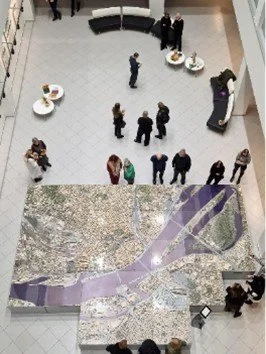
With support from the Baltic-American Freedom Foundation, Riga Technical University (RTU) hosted Professor Daniel B. Hess, an urban planning scholar from the United States, for a series of guest lectures and academic engagements. Professor Hess was hosted by RTU’s Institute of Architecture and Design (ADI), where he delivered a series of at least 10 lectures and seminars on Sustainable Urban Development. The sessions were integrated into professional architecture and urban planning courses. Professor Hess also participated as a speaker in the High-Level Expert Conference “Housing Renovation and Construction for the Competitiveness of Settlements” organized at RTU in cooperation with the Society Latvijas Formula 2050, the Ministry of Economy, the Ministry of Smart Administration and Regional Development, and Riga City Council. His lecture, delivered with simultaneous translation in accordance with Latvian law, brought together more than 50 participants, including academics, public officials, entrepreneurs, and experts. The event was covered in national media outlets such as Latvian Radio 1 and Radio SWH and accompanied by the opening of the exhibition Housing Availability and Improving the Quality of the Living Environment in Large-Scale Residential Areas in Latvia.
Professor Hess’s visit fostered transatlantic academic exchange, strengthened Latvian expertise in sustainable urban planning, and contributed to national discussions on housing, urban development, and competitiveness. By combining high-level lectures, student engagement, expert conferences, and cultural immersion, the program deepened institutional ties and promoted dialogue between U.S. and Latvian professionals in architecture, urbanism, and policy.
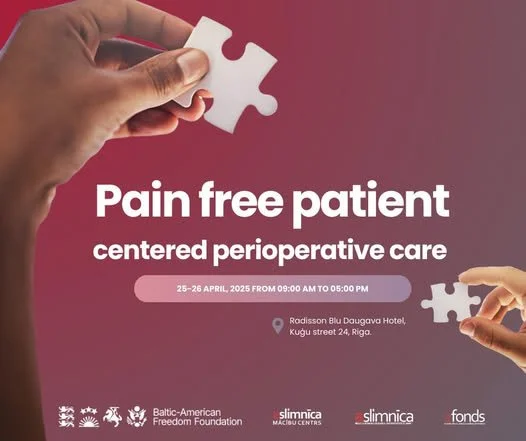
Name of the project: Conference Pain free patient centered perioperative care
Location: Latvia
Implementing organization: Smart Business Arts
Invited Speakers: Professors Edward R. Mariano and Jean-Louis Horn
With the support of the Baltic-American Freedom Foundation, NGO Smart Business Arts; Riga East University Hospital (RAKUS) in cooperation with Riga Stradins University organized the Conference on Pain-Free, Patient-Centered Perioperative Care. The event provided medical professionals and students with an in-depth look at innovations in perioperative medicine, with special attention to regional anesthesia techniques, interdisciplinary teamwork, and patient-centered care.
Invited guest professors joined Latvian colleagues in the operating block at hospital Gailezers, where video recordings were made of clinical cases using regional anesthesia and catheter placement for prolonged pain relief. These recordings later served as case studies during the conference sessions.
The official conference opened on April 25 gathered more than 200 participants—surgeons, anesthesiologists, nurses, medical students, and residents—attended. Keynote lectures by Professors Mariano and Horn focused on advances in postoperative pain management and regional anesthesia techniques, complemented by video case presentations and audience discussions. By combining high-level expertise with hands-on demonstrations and collaborative discussions, the conference represented a significant step toward improving patient outcomes, advancing perioperative medicine, and strengthening international cooperation in healthcare.

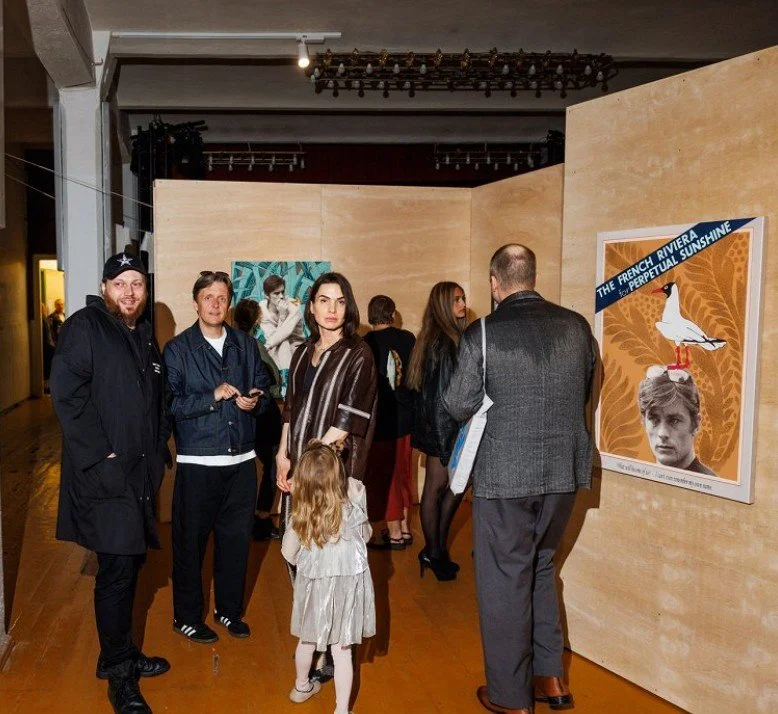
Name of the project: Exhibition as Laboratory: Curating within the Univeristy Art Museum, part of Kim? contemporary art festival EDEN
Location: Latvia
Implementing organization: Contemporary art center Kim?
Invited Speaker: Curator Alaina Claire Feldman
Under the framework of the Kim? Contemporary Art Centre’s EDEN: Coming of Age festival, the “Exhibition as Laboratory” initiative transformed the exhibition into a dynamic site of learning, experimentation, and institutional inquiry. Spanning lectures, workshops, exhibitions, and public engagement, the project reframed university art museums—and their public programs—as vital spaces for interdisciplinary dialogue, collaboration, and education.
On June 10, 2025, at Kim?’s future site on Hanzas 22 in Riga, Feldman delivered the lecture “We Don’t Need No Education: Curating Within and Beyond the School”. Drawing upon her experience at university art institutions, she discussed how such museums serve as forums for interdisciplinary collaboration, experiential learning, and community engagement, moving beyond conventional notions of academic spaces. She also led a workshop for 20 students from the Art Academy of Latvia. The session included interactive postcard exercises and a livestreamed discussion connecting students from Riga with their peers at the University of California, Irvine.
The core EDEN: Coming of Age exhibition ran from June 6 to August 1, curated by Alaina Claire Feldman in partnership with Zane Onckule, the exhibition was part of a broader festival program incorporating performances, installations, and educational interventions.

Name of the project: Empowering Children with Developmental Disabilities and Promoting Participation
Location: Lithuania
Implementing organization: Lithuanian University of Health Sciences
Invited Speaker: Dr. Ginny Paleg, Montgomery County Infants and Toddler Program
From June 30 to July 4, 2025, the Lithuanian University of Health Sciences successfully implemented a series of professional events led by internationally recognized pediatric physiotherapist and researcher Dr. Ginny Paleg. Her active participation was central to the project, encompassing clinical consultations, interdisciplinary discussions, and the delivery of a major international seminar attended by 185 rehabilitation professionals from across the Baltic region. Through lectures, case-based learning, and hands-on workshops, Dr. Paleg shared practical expertise on assistive technology, postural care, and family-centered practices for children with complex disabilities. She also provided individualized consultations, supported hospital staff working in palliative care, and engaged in strategic planning meetings with university leadership to strengthen future cooperation in training, equipment access, and research. The overwhelmingly positive participant feedback highlighted both the high professional value of the program and the pivotal role of Dr. Paleg in ensuring its success.


Name of the project: The Impact of a Massive Choral Song Festival on Collective Self-esteem and Well-being
Location: Lithuania
Implementing organization: Vilnius University
Invited Speaker: Prof. Indre Viskontas, University of San Francisco
From May 27 to June 1, 2025, Prof. Indre Viskontas visited Vilnius University as part of the project “The Impact of a Massive Choral Song Festival on Collective Self-esteem and Well-being.” The program included public lectures, panel discussions, and presentations of study results at the Song Celebration Festival event and the Arts and Health conference, as well as media interviews, meetings with cultural and government representatives, and dedicated time for data analysis and publication preparation. The visit raised public awareness of the health and social benefits of participatory music, strengthened ties between Lithuanian and U.S. experts, and facilitated interdisciplinary dialogue among psychologists, musicians, healthcare professionals, and neuroscientists. Importantly, the project laid the foundation for future research collaborations and policy discussions on integrating participatory music practices into healthcare and social systems in Lithuania.

Name of the project: Strengthening Civic Engagement: Global Perspectives and Local Solutions
Location: Lithuania
Implementing organization: Transparency International Lithuanian Chapter
Invited Speaker: Dr. Matthew Slaats, People Powered
From July 1–3, 2025, Transparency International (TI) Lithuania hosted Dr. Matthew Slaats, who shared U.S. best practices in participatory budgeting (PB) with more than 120 participants of the Transparency School and through targeted sessions, expert meetings, and field visits. His presentations, including an interactive hackathon-style workshop and a focused session for Transparency School fellows, introduced innovative civic engagement tools to future leaders from over 40 countries. In addition, meetings with Lithuanian municipalities, ministries, schools, and community representatives enabled an exchange of experiences between Richmond, Virginia, and Lithuania, while field visits deepened understanding of PB implementation at local and school levels. The collaboration strengthened TI Lithuania’s ties with the global People Powered network, raised awareness of PB trends among national stakeholders, and laid the groundwork for more sustainable citizen participation initiatives in Lithuania and the region.


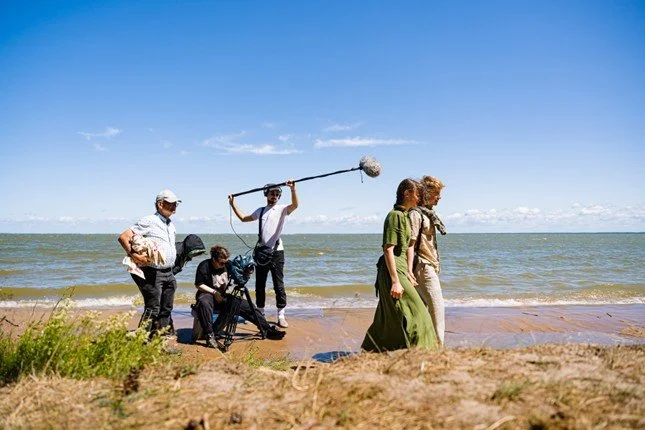
Name of the project: International Creative Film Workshop “Summer Media Studio: Acting in Film”
Location: Lithuania
Implementing organization: Audiovisual Arts Industry Incubator
Invited Speaker: Dr. Matthew Slaats, People Powered
The international film workshop “Summer Media Studio: The Actor in Film” took place in Pervalka, Lithuania, from June 23 to July 6, 2025, bringing together 52 students from 12 countries for an intensive program on acting for the camera, casting, and actor-director collaboration. Among the distinguished guest lecturers, Paul W. Nethercott (USA) played a key role by leading a masterclass on film production processes and promotion, providing participants with vital insights into how creative projects can successfully reach audiences beyond production. His contribution complemented the artistic and technical training offered by other international experts, ensuring students not only developed their filmmaking craft but also gained an understanding of the professional pathways needed to share their work globally.

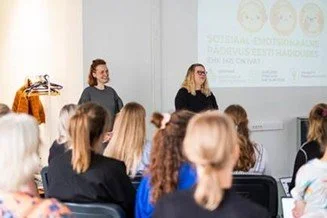
Name of the project: Training of trainers in social-emotional learning Kernels
Location: Estonia
Implementing organization: NGO Peaasjad
Invited Speaker: Stephanie Jones and Rebecca Bailey
In June 2025 NGO Peaasjad (“Head Matters” which is focusing on mental health topics) organized a training of trainers in collaboration with Harvard University and Tallinn University. The event featured leading experts Professor Stephanie M. Jones and Rebecca E. Bailey, Associate Director of the EASEL Lab at the Harvard Graduate School of Education. Their presentations highlighted the science of social and emotional learning (SEL), focusing on early childhood development, the progression of core skills, and evidence linking SEL to children’s mental health, behavior, and academic success. They also outlined practical strategies to strengthen SEL in classrooms, educators, and wider communities.Alongside the Harvard partnership, they welcomed a study visit from Belgian youth organizations which deepened cooperation between Peaasi.ee, Belgium, and Harvard. Together, they identified opportunities to bring SEL principles more widely into the Estonian youth field. The visit also included Ukrainian partners—ten teachers and their project coordinator—who shared their large-scale SEL implementation, having trained nearly 130,000 teachers and produced promising research results. This exchange was mutually beneficial, as new collaboration was initiated to adapt Estonia’s Mental Health Vitamins for Ukrainian teachers, parents, and children. Overall, these activities marked significant progress in building long-term partnerships with Harvard, Belgium, and Ukraine, and in advancing social and emotional learning and mental health initiatives across education and youth sectors.